.jpg)
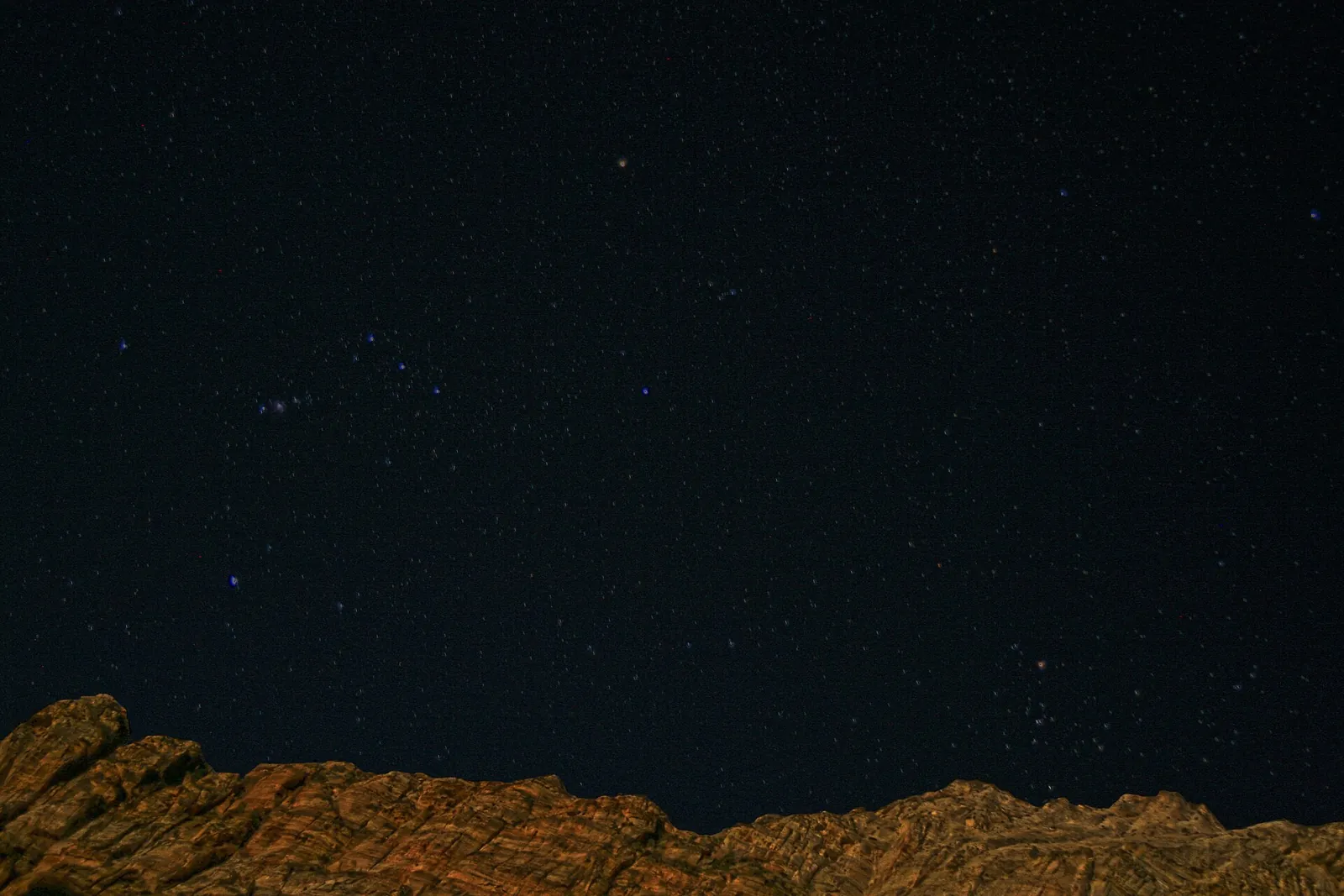
Zion is an International Dark Sky Park, and NPS is blunt about what that means: after sunset the park is very dark. Be prepared. The good news for planners is the clock. Zion is open 24 hours a day, 7 days a week, year-round, so there is no gate to beat.
When to go
- The sky is darkest from about 1.5 hours after sunset until 1.5 hours before sunrise.
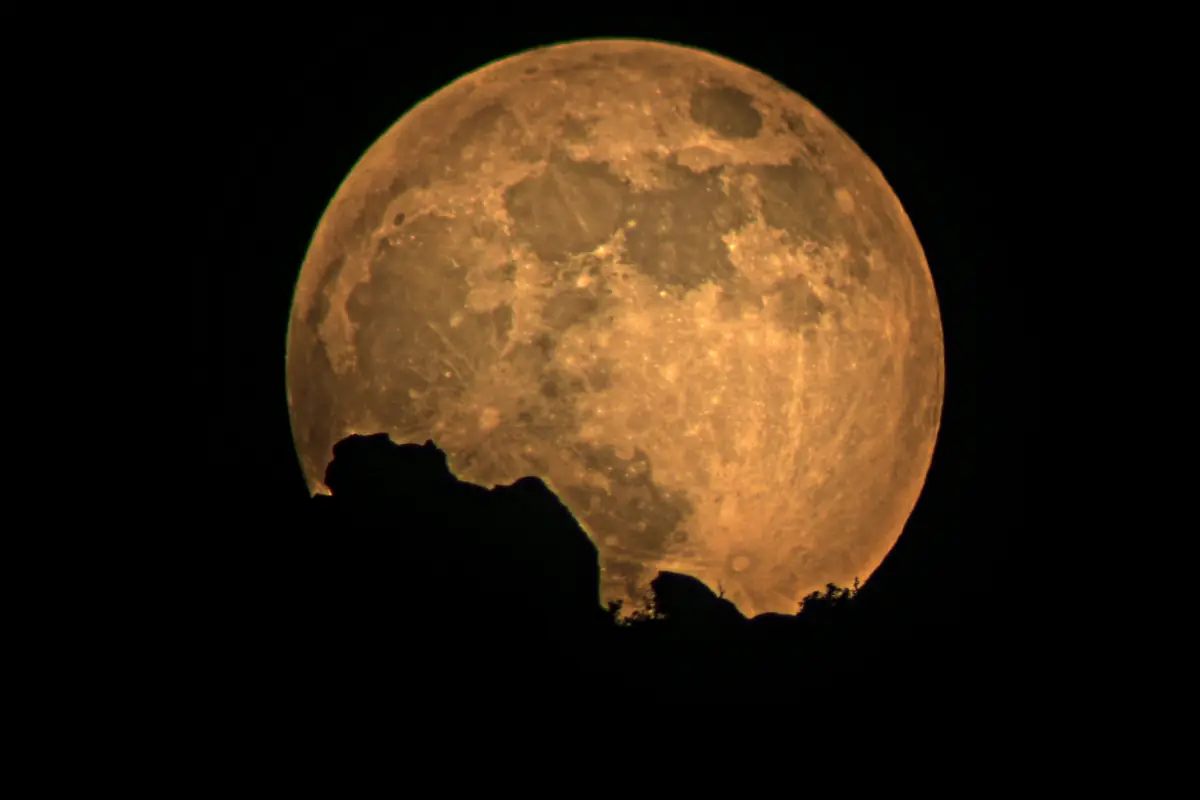
- The darkest nights are in the week leading up to a New Moon. Moonlight washes out the Milky Way.
- August and September are the best months to see the Milky Way overhead. In June and July sunset comes late, so add about 1.5 hours to that night’s sunset time.
- Search “Moon rise and set time in Springdale, Utah” before you go. That is the park’s own tip.
.jpg)
Where NPS suggests stargazing
- Zion Canyon: Pa’rus Trail; Human History Museum patio (ADA accessible).
- East side: Checkerboard Mesa pull-off.
- Kolob Terrace Road: Lava Point Overlook (closes seasonally when snow falls), Wildcat Canyon Trailhead, Left Fork Trailhead.
- Kolob Canyons: Timber Creek parking lot.
NPS says the darkest skies are on the east side and along Kolob Terrace Road. All listed spots have restrooms except the Checkerboard Mesa pullout. For telescopes, it suggests Checkerboard Mesa, Lava Point, or Timber Creek, which have flat ground and wide views. Spots on Zion Canyon Scenic Drive are reachable only by shuttle for most of the year; check the shuttle schedule for the last bus.
Overnight rules
Camping is allowed only at designated campsites or with some Wilderness permits. The park’s laws and policies page also says camping or sleeping in pullouts or parking lots is prohibited. Decide where you will sleep before you drive out for the stars.
.jpg)
What to bring
Some links on this page earn us a commission at no extra cost to you.
- Jackets and blankets. The desert gets chilly after sunset.
- All your food and water. There is no access to food in the park at night.
- Red light only, or a white light covered with red cellophane. Eyes need 20–30 minutes to adjust after white light.
- A paper star map or a phone app downloaded in advance. Do not plan on cell service.
- Binoculars or a telescope, if you have them.
Stay on trails and in parking areas, pack out trash, and keep noise down. Drive slowly at night; nocturnal wildlife uses the roads.
Related: night and sunrise photography, no-signal safety, Junior Ranger Night Explorer.
Quick FAQ
Is Zion open at night?
Yes. NPS says the park is open 24 hours a day, every day of the year.
When is the best time to see the Milky Way in Zion?
NPS says August and September, on nights in the week before a New Moon, starting about 1.5 hours after sunset.
Can I sleep in my car at a stargazing pullout?
No. Camping or sleeping in pullouts or parking lots is prohibited. Camp only at designated campsites or with a Wilderness permit.